Comparison
Electric Iron Price in Bangladesh 2026: Steam vs Dry Iron — Which to Buy?
2026-10-13 · 10 min read · By POD Shop
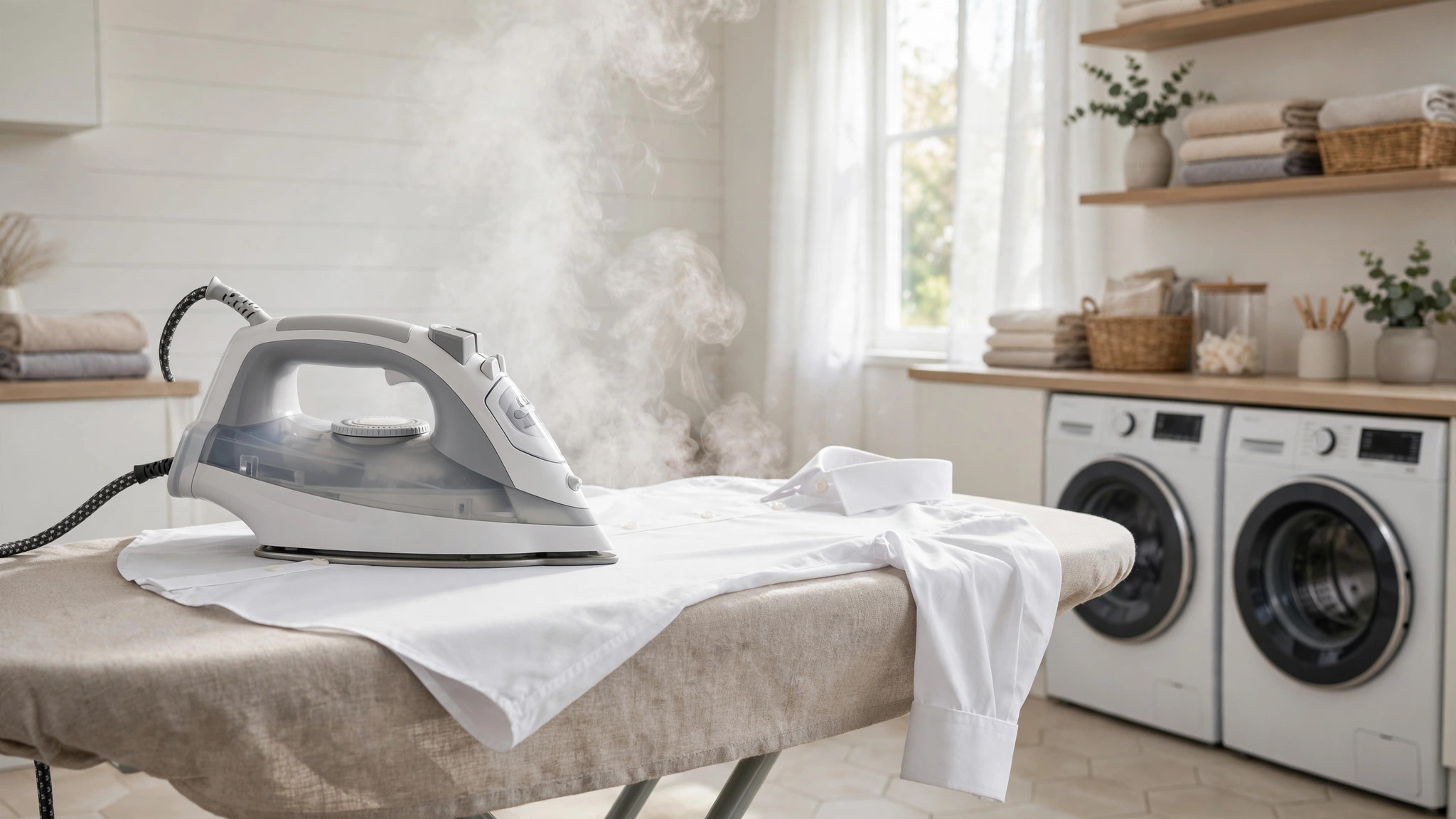
Short answer: Electric iron prices in Bangladesh in 2026 range from ৳1,200 to ৳4,500. Buy a dry iron (৳1,200–৳2,500) if you mostly press cotton panjabis, shirts and school uniforms — it is cheaper, lighter and simpler. Buy a steam iron (৳2,500–৳4,500) if you deal with stubborn wrinkles, denim, or delicate fabrics — the steam relaxes fibres faster and gives a crisper finish. For most Bangladeshi families, a 1000W–1200W dry iron with a non-stick or ceramic soleplate is the practical sweet spot.
An iron is one of those appliances you use almost daily in Bangladesh — school uniforms, office shirts, panjabis for Jummah. Yet most buyers pick one based on price alone and regret it within months. This guide compares electric iron prices in Bangladesh, explains steam vs dry irons honestly, and walks through soleplates, wattage and the small details that separate a good iron from a frustrating one.
Electric Iron Price in Bangladesh 2026
Here is the current market picture:
| Type | Price Range (2026) | Typical Wattage | Best For |
|---|---|---|---|
| Dry iron (basic) | ৳1,200 – ৳1,800 | 1000W | Budget buyers, cotton clothes |
| Dry iron (premium) | ৳1,800 – ৳2,500 | 1000–1200W | Better soleplate, longer life |
| Steam iron | ৳2,500 – ৳3,500 | 1400–1800W | Wrinkle-heavy wardrobes |
| Steam iron (premium) | ৳3,500 – ৳4,500 | 1800–2400W | Denim, delicate fabrics, frequent use |
| Cordless dry iron | ৳2,800 – ৳4,000 | 1200W | Freedom of movement fans |
Kiam is the most popular local brand in this range, offering reliable dry and steam irons with proper warranty. As always, buy from a trusted seller — counterfeit irons with fake wattage stickers are common in street markets. Every iron at POD Shop is genuine and quality-checked.
Steam vs Dry Iron: Head-to-Head Comparison
| Factor | Dry Iron | Steam Iron |
|---|---|---|
| Price | ৳1,200 – ৳2,500 | ৳2,500 – ৳4,500 |
| Weight | Lighter (0.8–1.2 kg) | Heavier (1.2–1.8 kg with water) |
| Wrinkle removal | Good on cotton | Excellent — steam relaxes fibres |
| Delicate fabrics | Risk of shine marks | Safer — steam cushions the press |
| Maintenance | Wipe and go | Needs descaling, empty tank after use |
| Water needed | No (spray bottle optional) | Yes — distilled water recommended |
| Electricity use | Lower (1000–1200W) | Higher (1400–2400W) |
| Best for | Daily cotton ironing | Mixed wardrobes, crisp finishes |
Choose a dry iron if…
- You mainly iron cotton panjabis, shirts, salwar-kameez and school uniforms.
- You want the lightest, simplest tool — pick up, press, done.
- Budget is tight: a good dry iron at ৳1,500 lasts years with basic care.
Choose a steam iron if…
- Your family wears a lot of formal shirts, denim or blended fabrics.
- You hate re-ironing the same stubborn creases — steam cuts ironing time noticeably.
- You are willing to do a little maintenance (descaling every few months).
Rule of thumb: if 80% of your ironing is cotton, a dry iron is the smarter buy. If you regularly fight wrinkles on synthetics, denim or silk blends, steam earns its premium.
Soleplate Types Compared
The soleplate is the business end of the iron — it determines glide, durability and how safe it is on delicate clothes:
| Soleplate | Glide | Durability | Price Impact |
|---|---|---|---|
| Non-stick coated | Excellent | Good — avoid abrasives | Budget-friendly |
| Ceramic | Excellent | Very good, scratch-resistant | Mid-range |
| Stainless steel | Good | Excellent — nearly indestructible | Mid-range |
| Titanium / palladium | Superb | Best in class | Premium |
| Plain aluminium | Average | Poor — scratches and stains | Cheapest (avoid) |
For Bangladesh, ceramic or quality non-stick soleplates hit the sweet spot: they glide over cotton without snagging and are gentle enough for most synthetics. Avoid uncoated aluminium — it picks up starch residue and starts dragging within months.
Wattage Guide: How Much Power Do You Need?
- 1000W: Enough for dry irons and light daily use. Heats in about 2 minutes.
- 1200W: The sweet spot — faster heat-up, better steam output in steam models.
- 1400–1800W: Serious steam irons; handle thick fabrics and long sessions without cooling down.
- 2000W+: Professional-grade; overkill for most homes and heavier on the electricity bill.
Higher wattage means faster heat-up and better heat recovery when you press a damp, heavy panjabi — but also higher running cost. For a family ironing 30–45 minutes daily, a 1200W iron costs roughly 18–22 units of electricity per month.
Kiam Electric Irons: The Local Favourite
Kiam dominates the Bangladeshi iron market for good reasons: honest wattage ratings, decent soleplates, spare-part availability and prices that undercut imported brands. Their dry irons in the ৳1,400–৳2,200 range are the default recommendation in most appliance shops, while their steam models compete well against pricier imports.
When buying any brand, check that the box mentions the actual wattage, soleplate material and warranty terms — vague packaging is a red flag. Browse genuine Kiam irons at POD Shop with cash on delivery nationwide.
7 Things to Check Before Buying
- Weight and grip: Hold it — you will lift this hundreds of times. Heavier is not always better.
- Cord length and swivel: A 1.8m+ cord with 360° swivel prevents annoying tangles.
- Temperature dial: Clear fabric markings (cotton, wool, silk, linen) beat cryptic dots.
- Water tank (steam): 200ml+ means fewer refills; a wide mouth makes filling easy.
- Auto shut-off: Turns the iron off if left unattended — a genuinely valuable safety feature.
- Spray and burst functions: Useful for stubborn creases on steam models.
- Warranty: Insist on written warranty from the seller, not just verbal promises.
Best Electric Irons in Bangladesh 2026: Our Picks
Based on price, soleplate quality and after-sales support, these are the irons we recommend most:
| Pick | Type | Approx. Price | Why |
|---|---|---|---|
| Best budget dry iron | Dry, 1000W | ৳1,400 – ৳1,700 | Does the daily job; light and simple |
| Best value dry iron | Dry, 1200W ceramic | ৳1,900 – ৳2,400 | Better glide, faster heat-up |
| Best steam iron | Steam, 1800W | ৳3,000 – ৳3,800 | Serious wrinkle power for mixed wardrobes |
| Best cordless | Cordless dry, 1200W | ৳3,000 – ৳4,000 | Total freedom of movement |
Kiam models feature across all four picks — the brand's service network in Bangladesh is simply the most reliable. Check current iron prices at POD Shop for live deals.
Ironing Tips for Common Bangladeshi Fabrics
| Fabric | Heat Setting | Steam? | Tip |
|---|---|---|---|
| Cotton panjabi | High | Yes if available | Iron slightly damp for crisp results |
| School uniform (poly-cotton) | Medium | Light | Too much heat causes shine marks |
| Silk saree / hijab | Low | No — dry only | Iron on reverse with a press cloth |
| Denim | High | Yes, heavy | Steam relaxes thick fibres fast |
| Linen | High | Yes | Iron damp; linen loves heat + moisture |
| Georgette / chiffon | Low | No | Press cloth essential to avoid damage |
Dry vs Steam: The Running Cost Question
Purchase price is only half the story. A 1200W dry iron used 30 minutes daily consumes about 18 units of electricity per month. An 1800W steam iron used the same way consumes about 27 units. At current DESCO/DPDC residential rates, that difference is roughly ৳80–৳120 per month — noticeable over a year, but small compared to the convenience if you genuinely need steam.
Water cost is negligible, but maintenance time is real: steam irons need descaling every 2–3 months in hard-water areas (much of Dhaka). If that sounds like a chore you will skip, the dry iron will serve you better — a scaled-up steam iron performs worse than a basic dry one.
Where to Buy an Electric Iron in Bangladesh
You have three main options, each with trade-offs:
| Channel | Pros | Cons |
|---|---|---|
| Online shops (e.g. POD Shop) | Genuine products, warranty honoured, cash on delivery, prices comparable online | 1–3 day delivery wait |
| Brand showrooms | See and hold before buying | Usually the highest prices |
| Local markets | Instant purchase, bargaining possible | High counterfeit risk, weak warranty |
Counterfeit irons are one of the most common fakes in Bangladeshi markets — boxes that claim 2000W but contain a 800W element, or "ceramic" soleplates that are just painted aluminium. Buy from a seller who puts the warranty in writing. At POD Shop every iron is sourced from authorised channels and covered by proper after-sales support, with cash-on-delivery.
Iron vs Garment Steamer: A Quick Note
Handheld garment steamers have become trendy, but for Bangladeshi wardrobes the classic iron still wins for most people. Steamers are great for freshening hanging clothes and delicate items, but they cannot press a crisp crease into a panjabi or flatten a stubborn collar the way a hot soleplate can. If you already own an iron, a steamer is a nice-to-have — not a replacement. For background on how pressing technology evolved, see the clothes iron article on Wikipedia.
Final Verdict: Our Recommendation
If you want one clear answer: most Bangladeshi families should buy a 1000–1200W dry iron with a ceramic or quality non-stick soleplate, in the ৳1,500–৳2,400 range. It handles daily cotton ironing brilliantly, costs little to run, and lasts for years. Step up to a steam iron only if your wardrobe genuinely demands it — formal wear, denim, delicates — and you are prepared for the extra maintenance. Either way, buy genuine, keep the soleplate clean, and your iron will press crisp clothes every single day.
Caring for Your Iron
- Empty the water tank after every steam session to prevent mineral build-up.
- Use distilled or filtered water if your area has hard water.
- Clean the soleplate with a damp cloth while slightly warm; for starch build-up, rub gently with a paste of baking soda and water.
- Never iron over zippers or buttons — they scratch coatings.
- Store upright, never flat on the soleplate.
Pair your ironing setup with a reliable water heater for hot-water laundry days, and keep your wardrobe crisp with minimal effort. For the history and mechanics of pressing clothes, see the clothes iron article on Wikipedia.
Shop Featured Products
View all →


Frequently Asked Questions
What is the price of an electric iron in Bangladesh in 2026?+
Electric iron prices in Bangladesh range from ৳1,200 to ৳4,500 in 2026. Basic dry irons cost ৳1,200–৳2,500, steam irons cost ৳2,500–৳4,500, and cordless dry irons fall around ৳2,800–৳4,000.
Which is better: steam iron or dry iron?+
Dry irons are cheaper, lighter and simpler — ideal if you mostly press cotton clothes. Steam irons remove stubborn wrinkles faster and are safer on delicate fabrics, but cost more and need descaling. For 80% cotton wardrobes, a dry iron is the smarter buy.
Which soleplate is best for an electric iron?+
Ceramic and quality non-stick soleplates offer the best balance of smooth glide, fabric safety and price for Bangladeshi buyers. Stainless steel is the most durable, while uncoated aluminium should be avoided.
How many watts should an electric iron be?+
1000–1200W is ideal for most families — fast enough heat-up without excessive electricity use. Choose 1400W+ only if you buy a steam iron for heavy or frequent use.
Are Kiam irons good?+
Yes. Kiam is the most popular iron brand in Bangladesh thanks to honest wattage ratings, decent soleplates, affordable prices (৳1,400–৳3,500) and easy availability of service and spare parts.
How do I remove starch build-up from an iron soleplate?+
Make a paste of baking soda and water, rub it gently on the slightly warm soleplate with a soft cloth, then wipe clean with a damp cloth. Never use steel wool or abrasive pads on coated soleplates.
Reference: Clothes iron on Wikipedia