Guides
Puff Counts Explained: Manufacturer Estimates vs Real-World Use
If your disposable stopped before its printed puff count, you are not imagining it, and the device is not necessarily faulty. The direct answer is that every puff count is a manufacturer estimate made under controlled test conditions, and real-world use almost never matches those conditions exactly. Puff length, how often you draw, how hard you draw, and the device settings all change how many puffs you actually get.
All puff counts mentioned in this post are manufacturer estimates, not guaranteed counts. That sentence is the most important one in this guide, and it applies to every puff number mentioned below, including the numbers in product names. A count printed on a box is a guide for comparing products, not a guarantee of how long a device will last for you.
How manufacturers estimate puff counts
Manufacturers estimate puff counts by testing a device with a standardised puff: a fixed length, a fixed gap between puffs, and a fixed draw strength, repeated until the device stops. That method is useful because it lets different products be compared on the same basis, but it is not how most people actually vape. Real draws vary in length from person to person and from moment to moment, and that variation alone can move the final count a long way in either direction.
Think of it like fuel economy figures for a car. The test figure is real, and it is measured carefully, but your own mileage depends on how you drive. A puff count is the same kind of figure: a laboratory estimate that helps you compare, not a promise about your personal use. Once you read counts that way, the gap between the box and your experience stops looking like a fault and starts looking like normal variation.
Puff length: the biggest single variable
Puff length matters more than most owners realise. A test puff is usually short, often around one to two seconds. A real draw of three or four seconds uses roughly twice as much liquid and battery per puff, so a device rated at a given count under short test puffs will reach its end in far fewer long draws. This is not a defect; it is arithmetic. Longer draws consume more per draw, so the count falls.
Short, gentle draws have the opposite effect and can push the count higher than the printed figure, though flavour and vapour per draw will be lighter. Neither pattern is wrong, but they produce very different totals from the same device. If you take long draws and your device ends early, the most likely explanation is puff length, not a faulty product. Try shorter, steadier draws on your next device and compare the life you get, keeping your own habits in mind rather than the box alone.
Frequency, chain vaping, and rest time
How often you draw matters too. A device used steadily through the day, with gaps between sessions, gives the wick time to re-saturate and the battery time to rest. A device used in long, rapid sessions, with draw after draw and almost no gap, works harder and can fade faster. Chain vaping can also overheat the wick and flatten flavour before the liquid is fully used, which makes the device feel finished even while some liquid remains.
Rest time also affects battery performance. A battery that is used continuously without pause can show voltage drop sooner than one used with breaks, and a disposable that is left unused for a long time may lose charge in storage. None of this means the printed count was dishonest; it means the test conditions assumed regular, spaced puffs, and your pattern was different. Noting your own pattern, rather than only the box number, is the best way to predict how long your next device will last.
Device settings and device type
On adjustable devices, power and airflow change consumption directly. Higher power uses more liquid per draw and drains the battery faster, so the same pod can last noticeably longer at a lower setting than at a higher one. Airflow changes the feel of a draw and can tempt you to draw harder or longer, which also changes consumption. If you compare two devices, compare them at similar settings, or the comparison will mislead you.
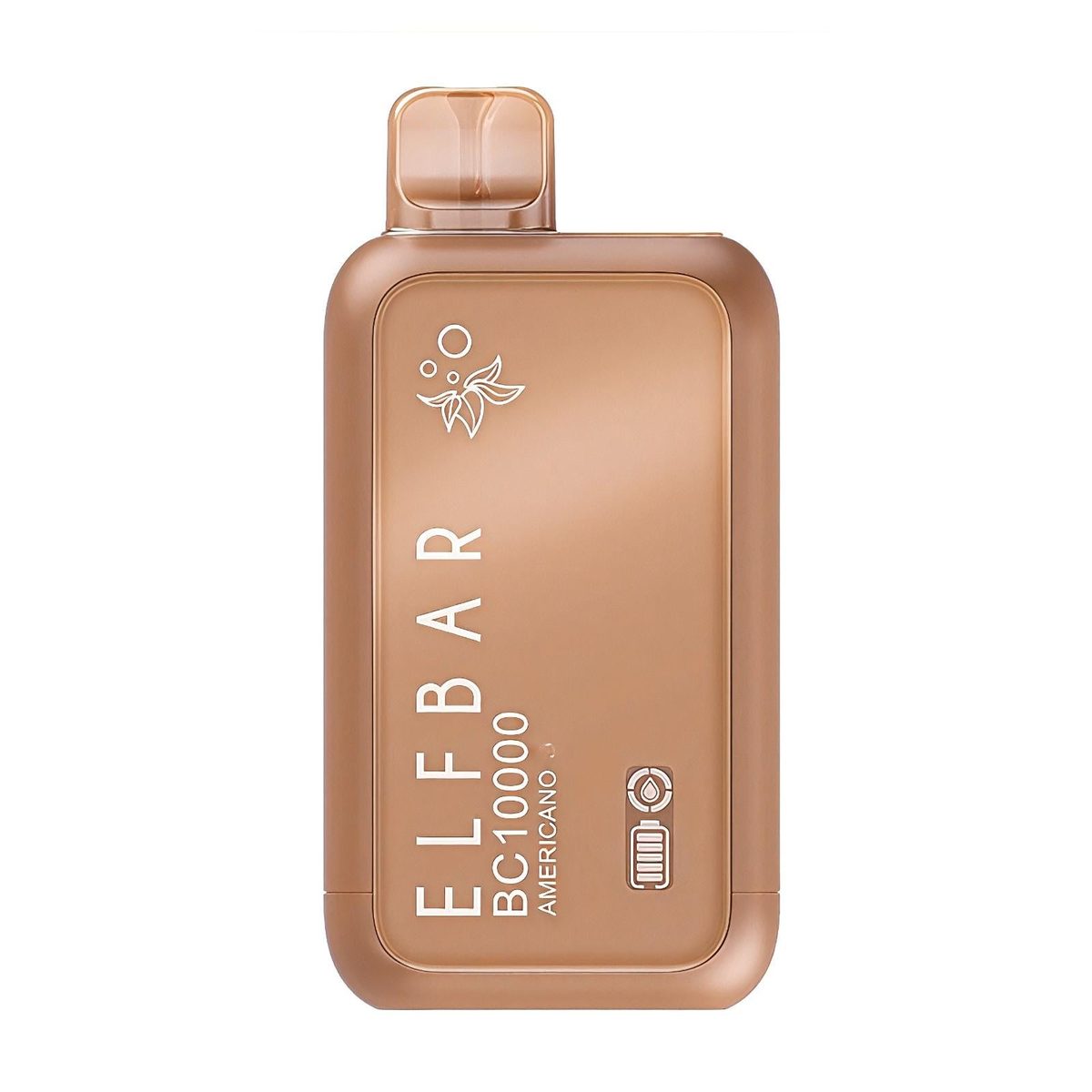
Device type matters as well. A small, low-capacity disposable is designed around a smaller liquid and battery reserve than a larger device, and its count reflects that smaller reserve. A larger device with a higher printed count, such as the Elf Bar BC10000 20mg at AED 40, is not automatically better value if your draws are long, because the same long-draw effect applies to it. Compare counts only between devices you will use in the same way, and treat the count as one factor alongside price, flavour, and size.
How to compare puff counts fairly when shopping
Use puff counts as a rough sorting tool, not as a precise measure. When two products have similar counts and similar prices, the count can help you choose, but a small difference in count should not outweigh a flavour you prefer or a size that suits you. A device that tastes right and fits your routine is a better buy than a device with a slightly higher count that you do not enjoy.
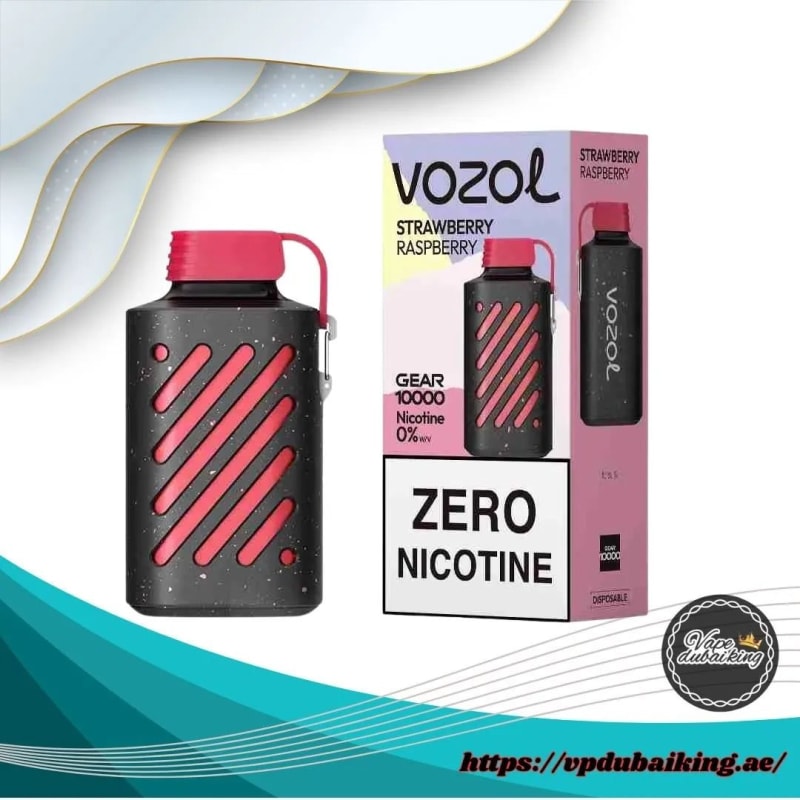
Work out your own cost per day instead of cost per puff. Note the price you paid, note how many days the device lasted for you, and divide. That personal figure, repeated over two or three devices, tells you far more about value than any printed count. For example, the Elf Bar 5000 Puffs Disposable at AED 35, the Vozol Gear Zero Nicotine 10000 Puffs at AED 40, and the HQD Cuvie Slick 6000 Puffs 20mg at AED 49 are all in the current POD Shop range, but which one lasts longer for you depends on your draw length and frequency, not only on their printed counts. The disposable vapes category lets you compare the range side by side, and Ordering from POD Shop in the UAE is straightforward: shipping is a flat AED 30 anywhere in the UAE, delivery is free on orders over AED 300, the minimum order is AED 85, and cash on delivery is the working payment method.
What to do if a device ends far earlier than expected
First, check the simple causes covered in the other guides in this series: blocked airflow, a pod that was not primed, chain vaping, or storage in heat. If none of those apply and a device ends very early, for example on its first day with normal use, contact the seller and keep the packaging. A single very short life can indicate a fault, and the seller can advise on next steps.
Do not judge a whole brand or product line on one device. Variation exists between individual units, and your own draw pattern is part of the result. Keep a simple note for your next two or three devices: price, start date, end date, and whether your draws were short or long. After a few devices, you will have a personal baseline that is far more useful than any box figure, and you will be able to spot a genuinely short-lived unit quickly.
Frequently asked questions
Why does my disposable never reach its printed puff count?
Because the printed count is a manufacturer estimate made with short, standardised test puffs. Longer draws, frequent use, and higher power settings all reduce the real count. Your own pattern matters more than the box figure.
Is a puff count a guarantee?
No. It is an estimate for comparison, not a promise. Real-world counts vary with puff length, frequency, draw strength, and device settings.
Do longer draws really reduce puff count that much?
Yes. A draw twice as long as the test puff uses roughly twice as much liquid and battery per puff, so the total count can fall substantially. Shorter, steadier draws extend device life.
Does chain vaping affect puff count?
Yes. Rapid, repeated draws give the wick less time to re-saturate and work the battery harder, which can shorten life and flatten flavour before the liquid is fully used.
How should I compare two disposables by puff count?
Use the count as a rough guide only, and compare devices you will use in the same way. Your own cost per day, worked out over a few devices, is a more reliable value measure than the printed count.
My device ended on day one. Is it faulty?
It may be. Check airflow and storage first, and if use was normal and the device ended very early, contact the seller and keep the packaging so they can advise on next steps.