Troubleshooting
Disposable Vape Not Hitting? Airflow, Battery, and End-of-Life Checks
A disposable that will not hit is usually suffering from one of four problems: blocked airflow, a battery that is flat or faulty, an activation sensor that is not triggering, or a device that is simply finished. The direct answer is to check the airflow path first, because it is the most common and the easiest fix, then check for signs of battery life, and only then conclude the device is done. This guide covers those checks in order, without asking you to open the device.
Do not open, puncture, squeeze, or attempt to repair a disposable. Disposables are sealed units, and opening one risks battery damage and injury. If a disposable is swollen, cracked, very hot, or damaged, stop using it, keep it away from heat, and contact the seller for guidance. The checks below are all external and safe.
Check the airflow path first
Most disposables are draw-activated, which means they fire when air moves through them. Anything that blocks that airflow can stop the device from hitting, even when the battery is fine. Start by removing any caps, plugs, or stickers that were on the mouthpiece or the base when the device was new. It sounds obvious, but a base sticker left in place is a frequent cause of a brand-new disposable that seems dead.
Next, look at the mouthpiece and the base openings in good light. Lint from a pocket, dust, or dried liquid can narrow the airflow enough to prevent activation. Wipe the outside openings gently with a dry cloth, and blow gently through the device from the mouthpiece end if needed to clear loose debris. Do not push pins, needles, or other sharp objects into the openings, and do not use water. A gentle clear-out is enough for most blockages, and forcing a tool inside can damage the sensor.
Draw technique: the sensor needs a steady draw
Draw-activated sensors respond best to a steady, moderate draw, not a sharp, short puff and not a very light sip. If you are new to disposables, try a slow, even draw lasting a couple of seconds, with the device held upright. Very hard draws can flood the airway or trigger a cut-off, while very gentle draws may not move enough air to activate the sensor at all.
Give the device a few seconds between draws. Some disposables have a short cut-off that stops firing after a long draw and needs a pause before the next one. If the device hits once and then stops, that pause is often the missing step. If it has never hit at all despite a steady draw and a clear airflow path, move on to the battery checks below rather than drawing harder and harder, which will not fix a flat battery.
Battery clues: light, warmth, and history
Many disposables show a light when they fire or when the battery is low. Learn what your device normally shows, because a light that blinks several times and then stops often signals a low or faulty battery. No light at all, combined with no vapour on a steady draw, points in the same direction, though a blocked sensor can look similar, which is why airflow comes first in this guide.
Think about the device's history too. A disposable that has been used heavily over a short period, that has been stored for a long time, or that has been left in heat may have a battery that no longer holds charge. Rechargeable disposables are the exception: if yours has a charging port, try a known-good cable and a trusted wall charger, wait a minute for an indicator, and see whether charging restores it. For a non-rechargeable disposable, there is no charging step, and a flat battery means the device is finished.
Is it finished? How to tell
A finished disposable and a faulty disposable can look alike, so use the pattern of decline to tell them apart. A device near the end of its life usually fades gradually: flavour becomes thinner, vapour becomes lighter, and draws feel weaker over a day or more before it stops. A device that stops suddenly on its first day, with full flavour until that moment, is more likely to have a blockage or a battery fault.
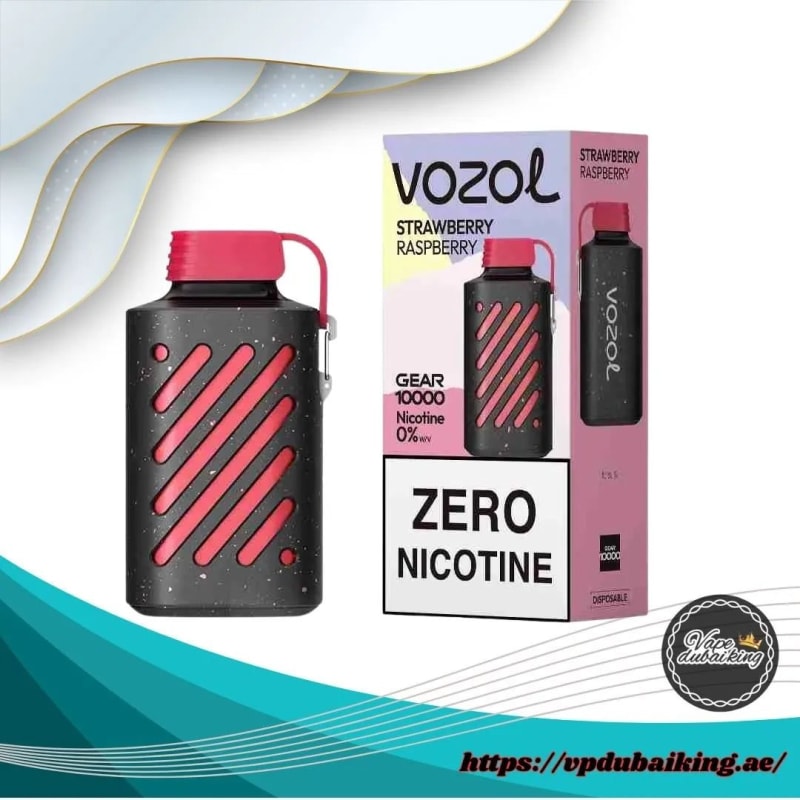
All puff counts mentioned in this post are manufacturer estimates, not guaranteed counts. The puff count printed on a disposable is a guide to its expected life, not a promise that every user will reach that number, and the puff-count guide in this series explains why real-world counts vary. If your device has been in regular use for a long time and has faded gradually, replacing it is the normal step, not a sign that something went wrong. When you replace it, the Elf Bar 5000 Puffs Disposable at AED 35, the Vozol Gear Zero Nicotine 10000 Puffs at AED 40, and the HQD Cuvie Slick 6000 Puffs 20mg at AED 49 are all in the current POD Shop range, and the full disposable vapes category lets you compare options.
Storage and handling that prevent the next failure
How you carry a disposable affects whether it hits reliably. Keep it upright where possible, in a pocket or case rather than loose at the bottom of a bag where lint and pressure can block the airflow. Keep it out of direct sun and hot cars, because heat can damage the battery and push liquid into the airway, which then blocks activation. Keep the mouthpiece cap on until first use, and keep spare disposables in their packaging indoors.
Do not store a disposable with the mouthpiece pressed against something, and do not leave it in a very cold air-conditioned room and then use it immediately outdoors in heat without letting it settle. Condensation from a sharp temperature change can sit in the airway and mute the first few draws. A few minutes at room temperature and a gentle clear-out usually restores normal draws.
When to replace, and what to check before you do
Replace the disposable when airflow is clear, your draw is steady, any rechargeable battery has been tested with a known-good cable and charger, and the device still produces nothing, or when the decline has been gradual and long. Do not keep a faulty disposable in the hope it will recover; a sealed device that will not activate after these checks is not going to improve with more forceful draws.
Before ordering a replacement, note what went wrong so the next device lasts better: was the airflow blocked by pocket lint, was it stored in heat, or did it simply reach the end of a long life? That note helps you choose and care for the next one. If a brand-new disposable fails on its first day despite clear airflow and a steady draw, contact the seller promptly and keep the packaging, because that pattern points to a fault rather than normal end of life. Ordering from POD Shop in the UAE is straightforward: shipping is a flat AED 30 anywhere in the UAE, delivery is free on orders over AED 300, the minimum order is AED 85, and cash on delivery is the working payment method.
Frequently asked questions
Why is my brand-new disposable not hitting?
Check for stickers or caps on the mouthpiece and base first, then clear any lint from the openings gently with a dry cloth. Try a steady, moderate draw. If it still does not hit, the battery or sensor may be faulty and you should contact the seller.
How hard should I draw on a disposable?
Steadily and moderately, for a couple of seconds, with the device upright. Very sharp draws can flood the airway and very gentle draws may not trigger the sensor.
My disposable blinks but produces no vapour. What does that mean?
Blinking often signals a low or faulty battery, or a cut-off after a long draw. Pause for a few seconds and try a normal draw. If blinking continues with no vapour, the device is likely finished or faulty.
Can I recharge a disposable that has no charging port?
No. Only disposables with a charging port can be recharged, using a known-good cable and a trusted charger. A non-rechargeable disposable with a flat battery is finished.
How do I know if my disposable is finished or faulty?
Gradual fading of flavour and vapour over time points to end of life. Sudden failure on the first day, with full flavour until that moment, points to a blockage or fault. Check airflow first in both cases.
Can I open a disposable to fix it?
No. Disposables are sealed units. Do not open, puncture, or squeeze one. If it is swollen, cracked, very hot, or damaged, stop using it and contact the seller for guidance.